Navigating a divorce in South Carolina involves unique legal requirements, including specific fault grounds and mandatory separation periods. In this video, Stephanie Brinkley of the Brinkley Law Firm breaks down the basics of state-specific divorce law, from property division to child custody. Whether you are ready to file or simply looking for information to plan your next steps, understanding your options for separate maintenance and support is key to a stable future.
Read More
Navigating a divorce is complex, but ensuring financial transparency is vital for a fair settlement. In this video, Stephanie Brinkley of the Brinkley Law Firm discusses common tactics used to hide assets and the legal tools available to uncover them, from forensic accounting to the discovery process. Protect your financial future and learn why acting swiftly is crucial when you suspect a lack of transparency in your marital property division.
Read More
In this short video, we walk you through what to expect during your initial consultation with our firm. From the first phone call to your follow-up meeting, you’ll learn how we gather details about your case, discuss your legal options, and outline the next steps. Our goal is to make you feel informed, confident, and supported from day one.
Read More
In this video, family law attorney Stephanie Brinkley talks about the importance of emotional well-being during the divorce process. She shares insights and strategies to help clients make clear decisions and achieve better outcomes. She emphasizes how an individual’s emotional state directly impacts decision-making, negotiations, and the ability to support their children.
Read More
In this video, family law attorney Stephanie Brinkley discusses property division in South Carolina. She explains that the state follows the principle of equitable distribution, which means property is divided fairly but not always equally. She also touches on how marital property is defined, valued, and divided, and how factors like the length of the marriage and each spouse’s contributions can affect the outcome.
Read More
Attorney Stephanie Brinkley explains the central role of the “best interests of the child” standard in all family law cases involving children. This legal standard is the guiding principle for decisions regarding custody, visitation, and child support. Applying this standard involves a comprehensive evaluation of various factors, including both immediate and long-term impacts.
Read More
Preparing for divorce? In this video, Stephanie Brinkley highlights one of the most overlooked, but critical, steps in divorce preparation: organizing your financial documents.
Read More
When handling frozen embryos during a divorce, courts often consider the original intent of the couple, along with state laws and any existing consent forms. They also weigh factors like the right not to be forced into parenthood and the possibility of future biological children for each party. Contact Brinkley Law Firm today to talk with an experienced assisted reproductive technology attorney today about the details of your case.
Read More
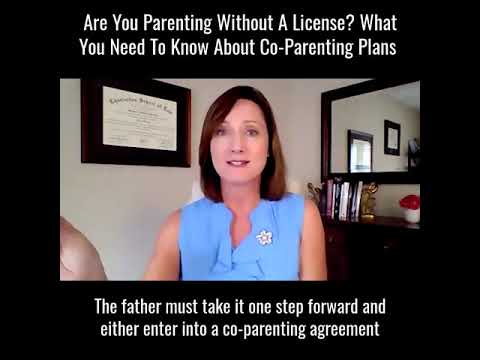
Hi, my name is Stephanie Brinkley. I'm with the Brinkley Law Firm in Charleston, South Carolina, where I am a fertility and family law attorney. Today, I'm asking the question, are you parenting without a license? Often, children and parenthood are planned for, but sometimes they're an unexpected benefit. It's not unusual in today's world for a party or parties to be committed to raising a child together, but not in a committed relationship or a marriage. So if the child is born out of wedlock or without a marriage license, do the parents have equal rights? The answer is it depends.
Read More
Hi, my name's Stephanie Brinkley, I'm the owner of Brinkley Law Firm in Charleston, South Carolina, where I am a fertility and family law attorney. Today, we're going to discuss what couples need to know about legal separation in South Carolina. Before we discuss legal separation in South Carolina, let's first discuss the grounds for divorce in our state. We have four grounds for divorce. They are adultery, habitual drunkenness, physical cruelty, and abandonment. Unfortunately, for many of my clients, mental cruelty and emotional distress are not grounds for divorce in South Carolina.
Read More